Motilal Oswal Developed Market Ex US ETFs Overseas Equity Passive FOF
An open ended fund of funds scheme investing in units of global ETFs which track the performance of Developed Markets excluding US
-
investedProple:1,991
-
fundIcon:/content/dam/motilal-mf/content-fragment/fund-icons/MO_Developed_Market_Ex_US_ETFs_Fund_of_Funds.png
-
dateAsOn:28 Feb 2026
-
schDetail:
-
exitLoad:
1% - If redeemed on or before 15 days from the date of allotment. Nil - If redeemed after 15 days from the date of allotment.
-
nfoStartDate: 18-Sep-2023
-
sebiCategory: Fund of Fund
-
cmotsGroupCode: MO21089
-
dateOfAllotment: 2023-09-21
-
schemeName: Motilal Oswal Developed Market Ex US ETFs Overseas Equity Passive FOF
-
nfoEndDate: 21-Sep-2023
-
CMOTSAMCCode: 38442
-
fundCategoryCode: FOF
-
schcode: DM
-
-
minamount:
-
0:
- minredamt: 500
- minsipamt: 500
- minpuramt: 500
- minaddpuramt: 500
- optioncode: G
- plancode: GD
-
1:
- minredamt: 500
- minsipamt: 500
- minpuramt: 500
- minaddpuramt: 500
- optioncode: G
- plancode: GP
-
-
fundsTaggingSection:
- 0: motilal-oswal-amc:international-equity
- 1: motilal-oswal-amc:developed-markets
- 2: motilal-oswal-amc:index-funds
-
planList:
-
0:
- sixth_char_name: D
- planNameOriginal: Direct Growth
- groupedCode: GDG
- groupedName: Direct Growth
- optionCode: G
- optionName: Growth
- planCode: GD
- planName: Direct
- schDetail:
- fundCategoryCode:
- cfReferencePath: /content/dam/motilal-mf/content-fragment/plan-code-model-fragment/direct-growth
- isin: INF247L01BS5
- amfi_schcode: 152090
- cmt_schcode: 21096
-
1:
- sixth_char_name: R
- planNameOriginal: Regular Growth
- groupedCode: GPG
- groupedName: Regular-Growth
- optionCode: G
- optionName: Growth
- planCode: GP
- planName: Regular
- schDetail:
- fundCategoryCode:
- cfReferencePath: /content/dam/motilal-mf/content-fragment/plan-code-model-fragment/regular-growth
- isin: INF247L01BT3
- amfi_schcode: 152091
- cmt_schcode: 21089
-
-
nav:
-
0:
- latnav: 17.3265
- optioncode: G
- plancode: GD
- prodcode: DMGD
- nav_date: 01-Apr-2026
- nav_amount: 16.8196
- recdt: 01-Apr-2026
- navchng: 0.17
- navchngper: 1.00
-
1:
- latnav: 17.5434
- optioncode: G
- plancode: GP
- prodcode: DMGP
- nav_date: 01-Apr-2026
- nav_amount: 16.6050
- recdt: 01-Apr-2026
- navchng: 0.16
- navchngper: 1.00
-
-
returns:
-
0:
- oneYear_Ret: 39.04
- oneYear_marketValue: 13903.578106067294
- inception_Ret: 25.25
- inception_marketValue: 17326.5
- latNavDate: 2026-02-28
- prodcode: DMGD
- plancode: GD
- optioncode: G
- amfi_schcode: 152090
- cmt_schcode: 21096
- isin: INF247L01BS5
-
1:
- oneYear_Ret: 39.97
- oneYear_marketValue: 13996.537445847725
- inception_Ret: 25.89
- inception_marketValue: 17543.399999999998
- latNavDate: 2026-02-28
- prodcode: DMGP
- plancode: GP
- optioncode: G
- amfi_schcode: 152091
- cmt_schcode: 21089
- isin: INF247L01BT3
-
Call back
Share
Historical Performance
CAGR
planList:
-
0:
- sixth_char_name: D
- planNameOriginal: Direct Growth
- groupedCode: GDG
- groupedName: Direct Growth
- optionCode: G
- optionName: Growth
- planCode: GD
- planName: Direct
- schDetail:
- fundCategoryCode:
- cfReferencePath: /content/dam/motilal-mf/content-fragment/plan-code-model-fragment/direct-growth
- isin: INF247L01BS5
- amfi_schcode: 152090
- cmt_schcode: 21096
-
1:
- sixth_char_name: R
- planNameOriginal: Regular Growth
- groupedCode: GPG
- groupedName: Regular-Growth
- optionCode: G
- optionName: Growth
- planCode: GP
- planName: Regular
- schDetail:
- fundCategoryCode:
- cfReferencePath: /content/dam/motilal-mf/content-fragment/plan-code-model-fragment/regular-growth
- isin: INF247L01BT3
- amfi_schcode: 152091
- cmt_schcode: 21089
-
returns:
-
0:
- oneYear_Ret: 39.04
- oneYear_marketValue: 13903.578106067294
- inception_Ret: 25.25
- inception_marketValue: 17326.5
- latNavDate: 2026-02-28
- prodcode: DMGD
- plancode: GD
- optioncode: G
- amfi_schcode: 152090
- cmt_schcode: 21096
- isin: INF247L01BS5
-
1:
- oneYear_Ret: 39.97
- oneYear_marketValue: 13996.537445847725
- inception_Ret: 25.89
- inception_marketValue: 17543.399999999998
- latNavDate: 2026-02-28
- prodcode: DMGP
- plancode: GP
- optioncode: G
- amfi_schcode: 152091
- cmt_schcode: 21089
- isin: INF247L01BT3
-
Periodic Returns
Data as on 28 Feb 2026
- 1Y
- 3Y
- 5Y
- 7Y
- 10Y
- Inception
-
schemeName: Motilal Oswal Developed Market Ex US ETFs Overseas Equity Passive FOF
-
planList:
-
0:
- sixth_char_name: D
- planNameOriginal: Direct Growth
- groupedCode: GDG
- groupedName: Direct Growth
- optionCode: G
- optionName: Growth
- planCode: GD
- planName: Direct
- schDetail:
- fundCategoryCode:
- cfReferencePath: /content/dam/motilal-mf/content-fragment/plan-code-model-fragment/direct-growth
- isin: INF247L01BS5
- amfi_schcode: 152090
- cmt_schcode: 21096
-
1:
- sixth_char_name: R
- planNameOriginal: Regular Growth
- groupedCode: GPG
- groupedName: Regular-Growth
- optionCode: G
- optionName: Growth
- planCode: GP
- planName: Regular
- schDetail:
- fundCategoryCode:
- cfReferencePath: /content/dam/motilal-mf/content-fragment/plan-code-model-fragment/regular-growth
- isin: INF247L01BT3
- amfi_schcode: 152091
- cmt_schcode: 21089
-
-
returns:
-
0:
- oneYear_Ret: 39.04
- oneYear_marketValue: 13903.578106067294
- inception_Ret: 25.25
- inception_marketValue: 17326.5
- latNavDate: 2026-02-28
- prodcode: DMGD
- plancode: GD
- optioncode: G
- amfi_schcode: 152090
- cmt_schcode: 21096
- isin: INF247L01BS5
-
1:
- oneYear_Ret: 39.97
- oneYear_marketValue: 13996.537445847725
- inception_Ret: 25.89
- inception_marketValue: 17543.399999999998
- latNavDate: 2026-02-28
- prodcode: DMGP
- plancode: GP
- optioncode: G
- amfi_schcode: 152091
- cmt_schcode: 21089
- isin: INF247L01BT3
-
-
benchmarkreturns:
-
0:
- type: BM
- groupName: S&P Developed Ex-U.S. BMI Total Return Index (PRIMARY)
- latNavDate: 2026-02-28
- bmcode: 2481.0
-
1:
- type: BM
- groupName: Nifty 50 TRI (SECONDARY)
- latNavDate: 2026-02-28
- latnav: 37943.67
- oneYear_Ret: 15.07371405279898
- inception_Ret: 11.703474362203092
- bmcode: 2006.0
-
Date of inception: 21-Sep-2023. Incase, the start/end date of the concerned period is non business date (NBD), the NAV of the previous date is considered for computation of returns. The NAV per unit shown in the table is as on the start date of the said period. Past performance may or may not be sustained in the future. Performance is for Regular Plan Growth option. Different plans have different expense structure. Funds managed by Mr. Sunil Sawant and Mr. Rakesh Shetty. (Data as on 30th November 2024)
Past Performance Calculator
Explore how much wealth you would have created by investing in our schemes using this SIP Calculator
Search a fund
Motilal Oswal Mid cap fund
SIP
Lumpsum
If you would have invested monthly
If you would have invested
10000
Tenure
10
Invested Amount
1200000
Current Value of Investment
Disclaimer:
- This calculator is provided for informational purposes only.
- The results are based on user inputs and should not be considered as investment advice. Users should seek the advice of a qualified financial professional before making any investment decisions.
- The creators of the calculator and its affiliates shall not be held responsible for any financial losses resulting from the use of the calculator.
- Past performance may or may not be sustained in the future and should not be used as a basis for comparison with other investments. Mutual Fund Investments are subject to market risks, read all scheme related documents carefully.
- SIP is allowed in select open ended schemes. Refer the Scheme SAI, SID, KIM for detailed information.
Why this fund?

Expertise
Backed by a decade of financial expertise, we focus on long-term wealth creation through early investment in promising midcaps.

High Conviction
A focused portfolio of ~35 high-conviction midcap stocks, carefully selected for their unique potential.

Quality and Growth
We prioritize business quality and management strength, guided by our QGLP investment philosophy.
*Based upon our current investment strategy.

Pioneering Growth
A House known for identifying high-growth themes that serve as compounding instruments & stand as formidable wealth creators.

Skin in the Game
Our promoters have invested a substantial ~71772 Cr.*, firmly aligning our interests with yours.
*Data as on 31st January 2024.
Disclaimer: The investment objective of the Scheme is to achieve long term capital appreciation by predominantly investing in equity.
Portfolio Composition
Download
-
Date As On: 28 Feb 2026
-
portfolioUrl:
-
holdings:
-
0:
- srNo: 1
- nameOfSecurity: ISHARES MSCI EAFE ETF
- percentToNAV: 74.07%
-
1:
- srNo: 2
- nameOfSecurity: SPDR Portfolio Developed World ex-US ETF
- percentToNAV: 25.50%
-
2:
- srNo: 3
- nameOfSecurity: Collateralized Borrowing & Lending Obligation
- percentToNAV: 0.29%
-
-
sector:
Industry Classification as recommended by AMFI
-
-
Key Facts
- Launched on 06 Feb 2024
-
Investment Objective
-
methodology:
a) Methodology of calculating sale price: The price or NAV, an investor is charged while investing in anopen-ended scheme is called sale or subscription price. Pursuant to SEBI Circular dated June 30, 2009, no entry load will be charged by the scheme to the investors. Therefore, Sale or Subscriptionprice = Applicable NAV (for respective plan and option of the scheme)
Example: An investor invests Rs.10,000/- and the current NAV is Rs. 10/- then the purchase price will be Rs.10/- and the investorreceives 10,000/10 = 1000 units.
b) Methodology of calculating repurchase price of Units: Repurchase or redemption price is the price or NAV at which an open-ended scheme purchases or redeems its units from the investors. It may include exit load, if applicable. The exit load, if any, shall be charged as a percentage of Net Assets Value (NAV) i.e. applicable load as a percentage of NAV will be deducted from the ÒApplicable NAVÓ to calculate the repurchase price. Therefore, Repurchase or Redemption Price = Applicable NAV*(1- Exit Load, if any)
Example: If the Applicable NAV is Rs. 10 and a 2% Exit Load ischarged, the Redemption Price per Unit will be calculated as follows: = Rs. 10 * (1-0.02) = Rs. 10 * (0.98) = Rs. 9.80
-
indexMethodology:
Index Methodology: Click here
Historic Changes in Index Constituents: Click here
-
investmentObjective:
The investment objective is to generate long term capital appreciation by investing in units of global ETFs which track the performance of Developed Markets excluding US, subject to tracking error, if any. However, there can be no assurance or guarantee that the investment objective of the Scheme would be achieved.
-
applicationAmount:
NA
-
redemptionAmont: NA
-
exitLoad:
1% - If redeemed on or before 15 days from the date of allotment. Nil - If redeemed after 15 days from the date of allotment.
-
aum:
-
0:
- latestAum: 37.534
- latestAumAsOnDt: 2026-02-28T00:00:00
- optioncode: G
- plancode: GD
- prodcode: DMGD
-
1:
- latestAum: 37.534
- latestAumAsOnDt: 2026-02-28T00:00:00
- optioncode: G
- plancode: GP
- prodcode: DMGP
-
-
portfolioTurnoverRatio: NIL
-
planList:
-
0:
- sixth_char_name: D
- planNameOriginal: Direct Growth
- groupedCode: GDG
- groupedName: Direct Growth
- optionCode: G
- optionName: Growth
- planCode: GD
- planName: Direct
- schDetail:
- fundCategoryCode:
- cfReferencePath: /content/dam/motilal-mf/content-fragment/plan-code-model-fragment/direct-growth
- isin: INF247L01BS5
- amfi_schcode: 152090
- cmt_schcode: 21096
-
1:
- sixth_char_name: R
- planNameOriginal: Regular Growth
- groupedCode: GPG
- groupedName: Regular-Growth
- optionCode: G
- optionName: Growth
- planCode: GP
- planName: Regular
- schDetail:
- fundCategoryCode:
- cfReferencePath: /content/dam/motilal-mf/content-fragment/plan-code-model-fragment/regular-growth
- isin: INF247L01BT3
- amfi_schcode: 152091
- cmt_schcode: 21089
-
-
benchmark: S&P Developed Ex U S BMI Total Return Index
-
expenseRatioDirect: 0.17
-
benchmarkreturns:
-
0:
- type: BM
- groupName: S&P Developed Ex-U.S. BMI Total Return Index (PRIMARY)
- latNavDate: 2026-02-28
- bmcode: 2481.0
-
1:
- type: BM
- groupName: Nifty 50 TRI (SECONDARY)
- latNavDate: 2026-02-28
- latnav: 37943.67
- oneYear_Ret: 15.07371405279898
- inception_Ret: 11.703474362203092
- bmcode: 2006.0
-
Minimum Application Amount
₹500/- and in multiples of ₹1/- thereafter
Minimum Redemption Amount
₹500/- then ₹1/- increments, up to account balance
Latest AUM
37.534
2026-02-28T00:00:00
Portfolio Turnover Ratio
NIL
Plans
Direct,Regular
Options (Under each plan)
Growth
Benchmark
S&P Developed Ex U S BMI Total Return Index
Total Expense Ratio
0.17
Inception date
2026-02-28
Entry Load
Exit Load Policy
Our Fund Managers
Managing this fund since
Total AUM
-
-
schDetail
-
exitLoad:
1% - If redeemed on or before 15 days from the date of allotment. Nil - If redeemed after 15 days from the date of allotment.
-
nfoStartDate: 18-Sep-2023
-
sebiCategory: Fund of Fund
-
cmotsGroupCode: MO21089
-
dateOfAllotment: 2023-09-21
-
schemeName: Motilal Oswal Developed Market Ex US ETFs Overseas Equity Passive FOF
-
nfoEndDate: 21-Sep-2023
-
CMOTSAMCCode: 38442
-
fundCategoryCode: FOF
-
schcode: DM
-
-
fundManager:
-
0:
-
description:
Mr. Rakesh Shetty has more than 13 years of overall experience and expertise in trading in equity, debt segment, Exchange Trade Fund’s management, Corporate Treasury and Banking. Prior to joining Motilal Oswal Asset Management Company Limited, he has worked with Company engaged in Capital Market Business wherein he was in charge of equity and debt ETFs, customized indices and has also been part of product development.
-
designation: Fund Manager/Dealer
-
picture: /content/dam/motilal-mf/fund-manager/mr-rakesh-shetty.png
-
fundManagerName: Rakesh Shetty
-
type: MF
-
dropdownField: MF
-
cfReferencePath: /content/dam/motilal-mf/content-fragment/fund-manager/rakesh-shetty
-
-
Downloads
-
- Factsheet
-
- Presentation
-
- Brochures
-
- Scheme information document
-
- Forms
-
- Index Component
- brochurepdf/content/dam/motilal-mf/downloads/mf/leafletsbrochures/2026/mar/index-brochure-february-2026.pdf
- latestFactsheetPdf/content/dam/motilal-mf/downloads/mf/factsheet/2026/mar/factsheet-february-2026-passive.pdf
- presentationPdf
- sidDocumentPdf/content/dam/motilal-mf/downloads/mf/sid/2025/nov/sid_motilal-oswal-developed-market-ex-us-etfs-fund-of-funds.pdf
- formPdf
Frequently Asked Questions
What is a Mutual Fund?
What does a Mutual Fund do with investor’s money?
What is the Regulatory Body for Mutual Funds?
Why should I choose to invest in a mutual fund?
What are the advantages of investing in a Mutual Fund?
How do mutual funds diversify their risks?
Can mutual funds be viewed as risk-free investments?
What are the risks involved in investing in mutual funds?
What are the different types of Mutual funds?
What are open-ended and closed-ended mutual funds?
What is NAV?
How much return can I expect by investing in mutual funds?
What is constant maturity structure?
Are there any assured returns?
What is tax treatment?
What are the types of returns one can expect from a Mutual Fund?
How do I track the performance of the Fund?
What is a load?
How does the concept of exit load work in case of unit redemptions?
Can an investor redeem part of the units?
What are the differences between close-ended mutual funds and ETFs?
Learning Resource Vault
Learn with Motilal Oswal

-
Article
- 6 min read
- Jan 20, 2026
-
What Is Nifty 50 Index Fund & How To Invest In It Motilal Oswal Mf
-
Get to know about Nifty 50 index funds like what is Nifty 50 index funds, how to invest in them - from price fluctuations and technical details to

-
Video
- 4 min watch
- July 7, 2022
-
If you want to watch a movie, how do you decide which one to watch? Well you might go and peep into the recent track record of hit movies or simply watch a
-
Podcast
- 4 min listen
- July 7, 2022
-
On this exclusive episode, Mr. Raamdeo Agrawal, Co-founder of Motilal Oswal Group talks to host Anupam Gupta about his fascinating journey – from being a farmer’s son in a small village to becoming a successful entrepreneur. He talks about his humble beginnings, his background, how he met Mr. Motilal Oswal, his struggles, and a lot more. Tune in to this very inspirational episode.On this exclusive episode.
Product Label
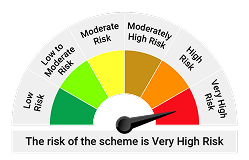
This product is suitable for investors who are seeking*
- Long term capital growth
- Investments in equity and equity related instruments of large cap stocks.
*Investors should consult their financial advisers if in doubt about whether the product is suitable for them.
-
productLabellingDescription:
This product is suitable for investors who are seeking*
- Long term capital appreciation.
- To invest in global ETFs which track the performance of Developed Markets exUS.
-
benchmarkreturns:
-
0:
- type: BM
- groupName: S&P Developed Ex-U.S. BMI Total Return Index (PRIMARY)
- latNavDate: 2026-02-28
- bmcode: 2481.0
-
1:
- type: BM
- groupName: Nifty 50 TRI (SECONDARY)
- latNavDate: 2026-02-28
- latnav: 37943.67
- oneYear_Ret: 15.07371405279898
- inception_Ret: 11.703474362203092
- bmcode: 2006.0
-
-
schDetail
-
exitLoad:
1% - If redeemed on or before 15 days from the date of allotment. Nil - If redeemed after 15 days from the date of allotment.
-
nfoStartDate: 18-Sep-2023
-
sebiCategory: Fund of Fund
-
cmotsGroupCode: MO21089
-
dateOfAllotment: 2023-09-21
-
schemeName: Motilal Oswal Developed Market Ex US ETFs Overseas Equity Passive FOF
-
nfoEndDate: 21-Sep-2023
-
CMOTSAMCCode: 38442
-
fundCategoryCode: FOF
-
schcode: DM
-
-
risk
- riskType: Very High
- benchmarkRisk: Very High
- Motilal Oswal Asset Allocation Passive Fund Conservative
Invest Now